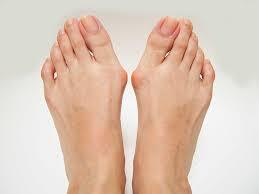
A bunion, commonly referred to as “hallux valgus,” is a big toe deformity that causes the big toe to point excessively in the direction of the second toe and results in a bony lump on the side of the foot. Additionally, a bursa, a sizable sac of fluid, may develop and become swollen and painful.
What causes the Bunions?
Bunions are most frequently brought on by genetically predisposed defects in the mechanical structure of the foot; individuals with particular foot types are more likely to develop bunions. Poorly fitted shoes often make the issue worse since they can pressure the forefoot, squeeze the toes together, and exacerbate the underlying issue, which results in pain and joint deformity.
The second toe crossing over onto the big toe can also result in bunions. This makes walking uncomfortable because the toes are under pressure from the shoes. The issue tends to progressively worsen after the big toe leans toward the second toe because the tendons can no longer move the toe in a straight manner. Calluses and corns may also form as a result of this illness.
Age, arthritis, or participating in sports can all contribute to bunions.
Who gets them?
Despite the fact that anyone can develop a bunion, women are more likely to do so than men, perhaps as a result of some of the more limiting footwear that is frequently worn (more than 15% of women in the UK have bunions). Additionally, ligaments tend to be looser in women. You may also be more likely to get them if your parents or grandparents do.
Ardee Foot Clinic Recommend Treatments?
We would recommend the following treatments:
Exercises
Orthoses (special devices inserted into shoes)
Shoe alterations or night splints which hold toes straight during sleep ( helps to slow the progression of bunions in children)
All of these are conservative approaches, and while they could perhaps reduce some symptoms, there is no proof that they can actually repair the underlying abnormality. If we notice a substantial deformity or defect, we may recommend surgery, which may involve removing, realigning, and/or pinning the bone.
The podiatric surgeon will assess the deformity’s severity after referral. In a procedure known as a first metatarsal osteotomy (sometimes known as a “bunionectomy”), a podiatric surgeon can remove the bunion and straighten the toe joint. The fact that this term covers more than 130 different types of operations means that each procedure is unique.
Surgery’s primary goal is to correct the underlying abnormality and avoid recurrence. Surgery carries risks and potential consequences, so it is typically not indicated unless your bunions are painful or are beginning to deform your other toes.
How can you prevent Bunions?
A effective preventative measure is to wear sensible shoes that fit comfortably. It could be time to change shoes if you start to feel a bump where your big toe connects to your foot. For best comfort, try to choose shoes that are broader so that your toes have room to move about and keep the heel height to no more than 4 cm. Additionally, the following is a helpful primer:
Do not wear high-heeled, backless shoes. If worn frequently, backless shoes cause your toes to claw when you walk, putting tension on the muscles.
Wearing short heels one day and slightly higher heels the next allows you to change up your look every day.
Heel heights should be no higher than 4 cm if you plan to wear heels every day. A shoe with a strap or lace over the instep holds the foot firmly in place and prevents it from sliding forward when worn.
Keep your feet flexible by performing calf stretches to counteract calf shortening.
When should you come visit Ardee Foot Clinic ?
Please book an appointment with us if you feel after 3 weeks your feet are not getting any better.